Outline
- Porcelain Countertops vs Granite: A Material Overview
- Impact Resistance: Porcelain vs Granite Seattle
- Heat Resistance: Porcelain vs Granite in Real Kitchen Scenarios
- UV Resistance and Color Retention: Why It Matters in Seattle
- Maintenance & Longevity: What Homeowners Should Expect
- Bullet Point Recap: Pros & Cons of Porcelain Countertops vs Granite
- Making the Right Choice for Your Seattle Kitchen — Why FloForm Is the Trusted Expert
With Seattle’s unique climate and love for stylish, durable kitchen surfaces, the porcelain countertops vs granite debate is more relevant than ever. Choosing the best countertop material can be challenging, especially when faced with two popular options: porcelain and granite. Our analysis breaks down how these materials perform under impact, heat, and UV exposure, ensuring your kitchen renovation is both beautiful and practical.
porcelain countertops vs granite
Porcelain Countertops vs Granite: A Material Overview
The first step in any porcelain or granite countertop installation is understanding what sets your options apart.
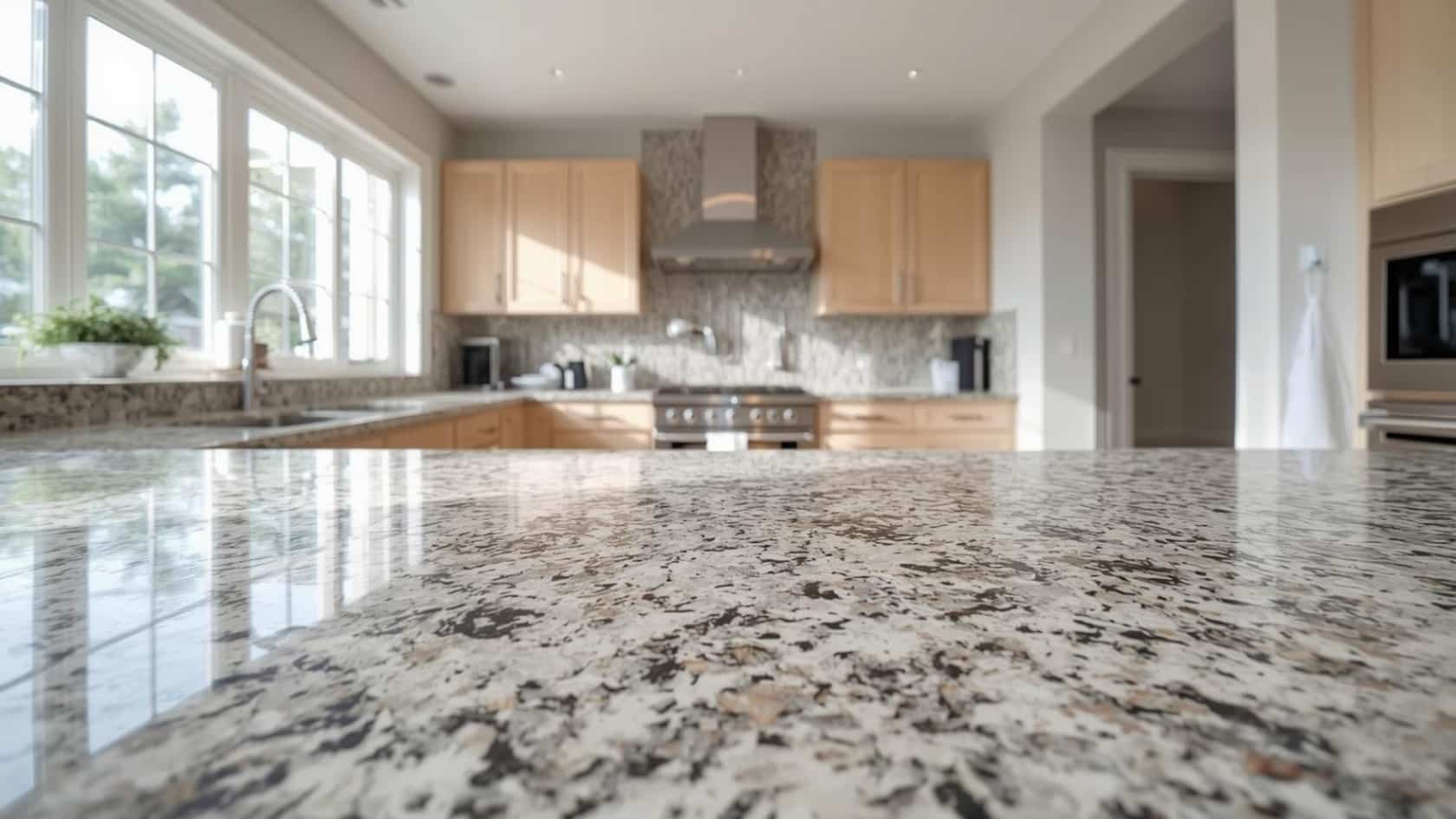
Porcelain countertops are crafted from refined clay, fired at extremely high temperatures. This process makes them dense, non-porous, and available in a wide array of colors and patterns. Granite countertops, on the other hand, are all-natural stones cut from quarry slabs, praised for their unique veining and earthy appeal.
Both materials add value and elegance to Seattle kitchens, but each brings unique strengths and weaknesses to the table, especially under rigorous household tests.
Impact Resistance: Porcelain vs Granite Seattle
When considering porcelain countertop vs granite Seattle homeowners want to know which is tougher. Daily kitchen activity involves heavy pots, knives, and the occasional dropped utensil or appliance.
- Granite: Known for its natural strength, granite resists most chips and cracks. Its thickness and dense build provide substantial protection against common kitchen impacts. However, dropped heavy objects can still cause chips, particularly at corners.
- Porcelain: Ultra-compact and engineered for durability, porcelain countertops are surprisingly resilient. They often outperform granite in standardized impact tests due to their non-porous surface and reinforced composition.
If you have a household with kids or frequent guests, porcelain’s engineered resilience might provide extra peace of mind. However, both materials can stand up to typical kitchen uses with proper care.
Heat Resistance: Porcelain vs Granite in Real Kitchen Scenarios
Seattle’s foodies want a counter that won’t flinch at hot pots and pans. Here’s how porcelain countertops vs granite compare in heat-resistance:
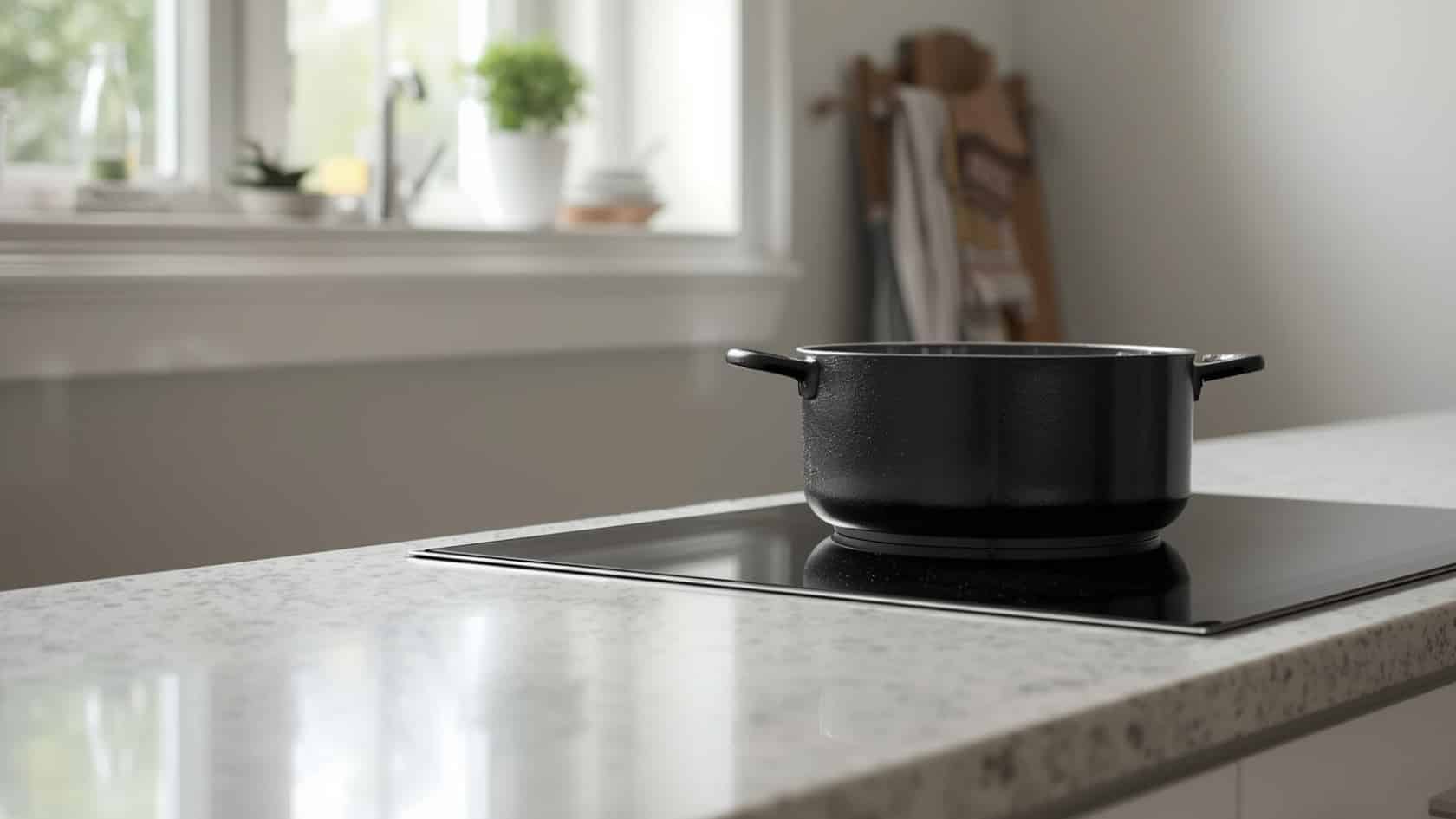
- Porcelain: Created at 2,200°F or higher, porcelain countertops are nearly immune to high temperatures. You can place hot pans directly on the surface without fear of scorching or warping.
- Granite: Granite is naturally heat-resistant but not entirely immune to shock or rapid temperature changes. Placing a red-hot skillet can occasionally cause hairline cracks if the stone is thin or has natural fissures.
Key Takeaway: For avid cooks, porcelain is nearly indestructible under heat. Granite is reliable, though using trivets remains the safest bet in the long run.
UV Resistance and Color Retention: Why It Matters in Seattle
While Seattle is known for gray days, homeowners still value kitchen surfaces that won’t fade over time—especially in rooms where sunlight streams through big windows.
- Granite may fade, yellow, or discolor if exposed to years of direct UV light, especially with darker shades.
- Porcelain is engineered with UV inhibitors, making it resistant to sunlight and color fading—even after years of exposure.
In urban Seattle homes, where kitchen lighting trends lean toward abundant natural light, porcelain stands out as the better option for color fastness.
Maintenance & Longevity: What Homeowners Should Expect
How do porcelain vs granite Seattle stack up in daily care? Busy Seattleites need practical surfaces that look stunning with minimal fuss.
Granite:
- Needs periodic sealing to prevent staining.
- Natural pores can harbor bacteria if not maintained.
- Requires gentle cleaning agents.
Porcelain:
- Non-porous and naturally resistant to stains.
- No sealing required, ever.
- Wipes clean easily with everyday household cleaners.
Maintenance Bullet Points:
- Granite: Requires sealing, stain-vulnerable, classic beauty.
- Porcelain: No sealing, ultra-hygienic, easy cleaning.
The winner in low-maintenance longevity? Porcelain largely outshines natural granite for the on-the-go Seattle homeowner.
porcelain countertops vs granite Seattle
Bullet Point Recap: Pros & Cons of Porcelain Countertops vs Granite
Porcelain:
- Non-porous and stain-resistant
- Exceptionally heat and UV resistant
- Requires minimal maintenance
- Wide range of design options
- Edge chipping is possible with blunt force
Granite:
- Unique natural patterns
- Highly durable and heat-resistant
- Requires routine sealing
- Can be prone to edge chipping and potential fading from UV
Making the Right Choice for Your Seattle Kitchen — Why FloForm Is the Trusted Expert
The porcelain countertops vs granite Seattle debate comes down to priorities: Are you seeking the engineered performance of porcelain or the one-of-a-kind beauty of granite? Both surfaces offer lasting value, but porcelain excels in heat, UV, hygiene, and hassle-free maintenance, making it an ideal choice for modern, light-filled Seattle kitchens.
For years, FloForm has provided unmatched expertise, flawless installations, and the finest countertop materials throughout Seattle and the Pacific Northwest. Whether you choose porcelain, granite, or another premium surface, FloForm can guide you from selection to installation. With showrooms, comprehensive warranties, and a commitment to exceptional customer service, there’s no better partner for your kitchen remodel.
Visit us.floform.com today and discover how their Seattle countertop experts can transform your space—combining beauty, function, and peace of mind.
For an outstanding kitchen upgrade in Seattle, trust the industry leader—FloForm—for a surface that stands up to every test and truly feels like home.